A New Definition of SaaS: Steve-Jobs-as-a-Strategy
Having a Singular Vision
I have a new definition of SaaS, which marketers may want to consider.
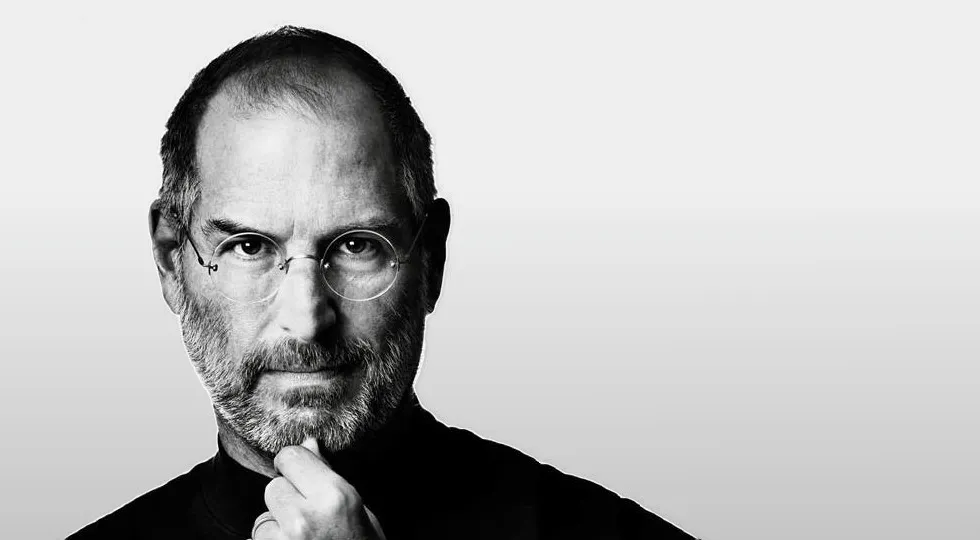
Steve-Jobs-as-a-Strategy.
Hear me out.
More brands should lean into having an outspoken, charismatic, visionary voice within their company, and using them as a main part of their marketing.
It doesn’t necessarily need to be the founder or CEO, although that helps, but someone in a senior role who can be the face and singular voice of the brand.
Perhaps this works better for B2C, I don’t know.
Here’s why this works:
👉 A charismatic leader with a point of view will often get 10x more attention than a polished brand account. People follow people, not logos.
👉 People buy the story behind a product just as much as the product itself. A voice with clarity and passion gives customers something to believe in.
👉 When a real person shows up consistently, sharing what they’re building, why it matters, and what they’ve learned, it fast-tracks trust and credibility.
👉 When a leader articulates the vision publicly, the entire company sharpens its thinking, messaging tightens, strategy gets cleaner, and everyone rows in the same direction. Maybe even creates more company pride and stronger cultural.
In an old interview (with Pharrell) Rick Rubin talks about the importance of having a singular vision when creating art for the artist, not the consumer.
He said too often art becomes commerce driven, being designed by committee, where people don’t try to make what they like (such as a movie), instead they make what they think people will like, and it often doesn’t connect as well.
Setting aside all the potential risks with this strategy, I think this approach could be a good move under the right circumstances.
But let’s be honest—there are risks (especially for B2C):
You become tied to the individual. If that person leaves or becomes controversial, the brand can feel exposed.
It’s harder to scale. Personality doesn’t duplicate. You either build a system around them or risk over-dependence.
The spotlight is unforgiving. The more outspoken the voice, the more scrutiny the brand invites.
Not everyone wants to be the “face.” And forcing someone into that role backfires quickly.
So what’s the middle ground? You don’t need a celebrity-founder, but you do need someone who can communicate with clarity, hold strong opinions backed by experience, inspire belief internally and externally, show up consistently, and represent the brand’s worldview.
In 2025 and beyond, your most powerful growth lever isn’t just your product, it’s your point of view, delivered through a human being who embodies it. Because people don’t rally behind companies, they rally behind leaders, voices, and ideas. If you don’t intentionally build that role inside your company, then someone else in your category will.