I can’t be the only one noticing the rise of the microbrand. I see it everywhere, microbrands quietly (and sometimes loudly) outpacing legacy giants across every category: beauty, watches, food & beverage, apparel & footwear, restaurants & cafés, even tech.
How, you may ask?
They’ve mastered one thing the big guys lost long ago (and may not ever be able to replicate, which is building a community. I’m so bullish on community, and it’s perhaps one of the most misunderstood and neglected forms of marketing.
It works because of the old adage, ‘people don’t buy products, they join tribes’.
Now, you may be thinking, ‘hang on a sec, I buy products all the time. I’m not part of any communities. I don’t know their founder. I don’t follow them on social media. I don’t know their mission or values. I don’t attend any of their events. Heck, I don’t even open their emails.’
I hear you, but you are making choices, you may just not be aware of them. You are being influenced by all kinds of things that appeal to certain values: price / value, package design, ingredients, familiarity / recall…
You, like everyone else, is buying identity, community, and a sense of belonging that is aligned with your values.
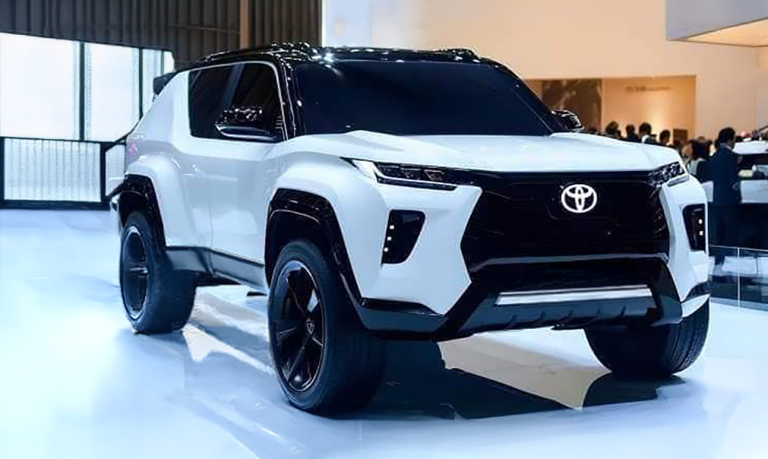
It’s why you buy Arc’teryx and not North Face, drive Tesla not Toyota, use Apple, not Android… These preferences come from somewhere.
I predict in the next decade, the market will become even more fragmented. Instead of 10 mega-brands owning 80% of the market, we’ll see thousands of thriving microbrands carving out meaningful pockets of loyalists who buy because they believe.
Legacy brands aren’t built for that world. Microbrands are. So the question you should be asking is, “Are we positioned for that future?”
The goal is no longer to become a household name, the goal is to become someone’s favourite.
Microbrands that build true affinity, through story, quality, identity, feeling, and shared values… will thrive without needing mass market dominance. Consumers are voting with their dollars for authenticity, for differentiation, for “brands that get me.” This is good because it levels the playing field. A founder in a garage can now take meaningful market share from a 100-year-old conglomerate.
Every time a consumer chooses a niche beverage, a local café, a DTC apparel brand, or a boutique wellness product, that’s one less unit sold for a giant who relies on scale and sameness.
They won’t collapse overnight… but they will bleed slowly. Loyalty isn’t automatic anymore, it has to be earned, daily.
We’re entering the “Belief Economy.”
People don’t just buy products, they buy identity, community, and a sense of belonging. Microbrands win not by being big, but by being deeply meaningful to a small segment willing to tell the world.