As a Brand Marketer, Can I Get You to Care About a Shovel Company?
What's a Brand Gotta Do With it?
As a brand marketer, can I get you to care about a shovel company?
A shovel is just a shovel… right? A tool that only needs to be functional. How could brand possibly influence a purchase decision for a JTBD tool?
Here’s how I would do it…
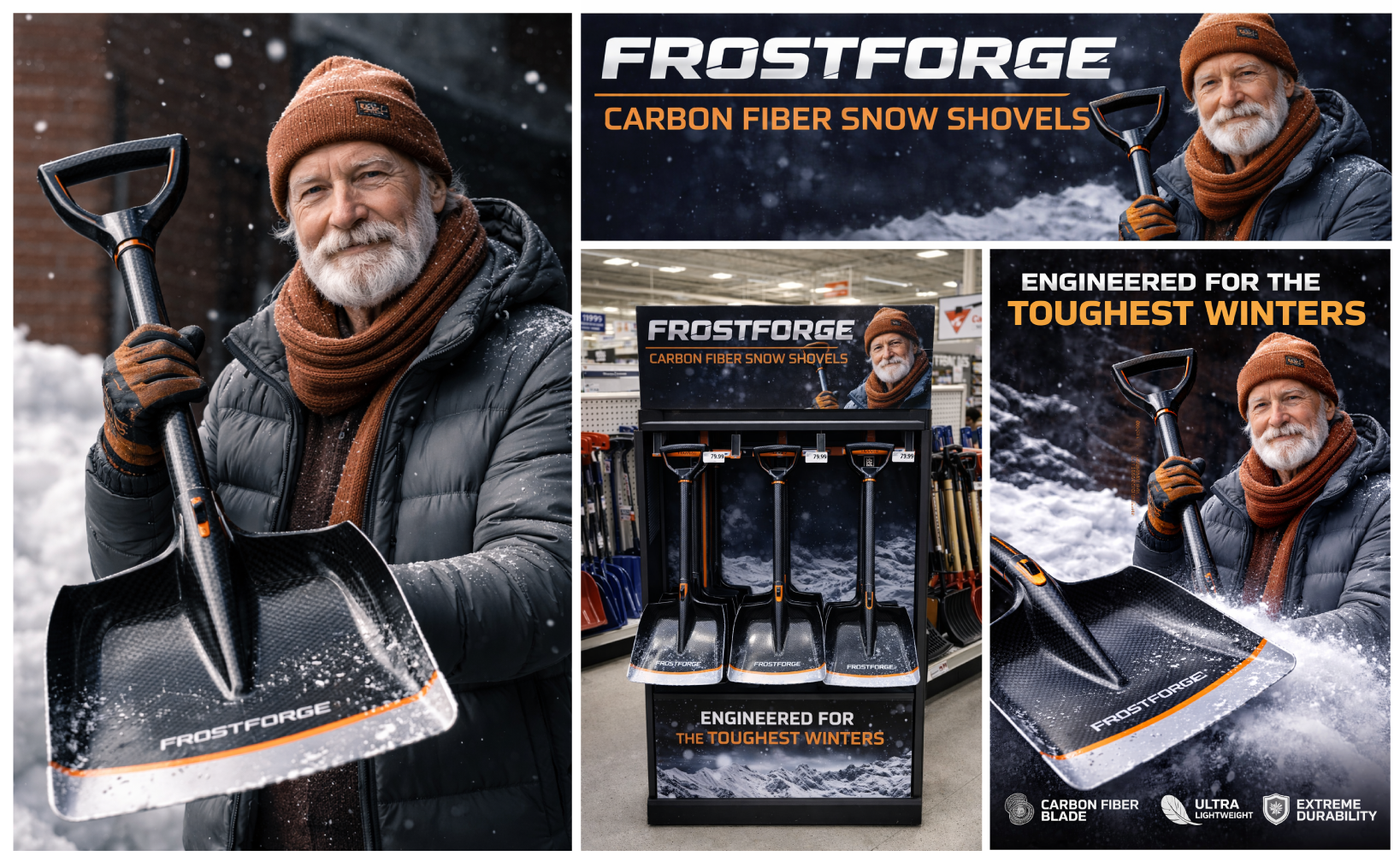
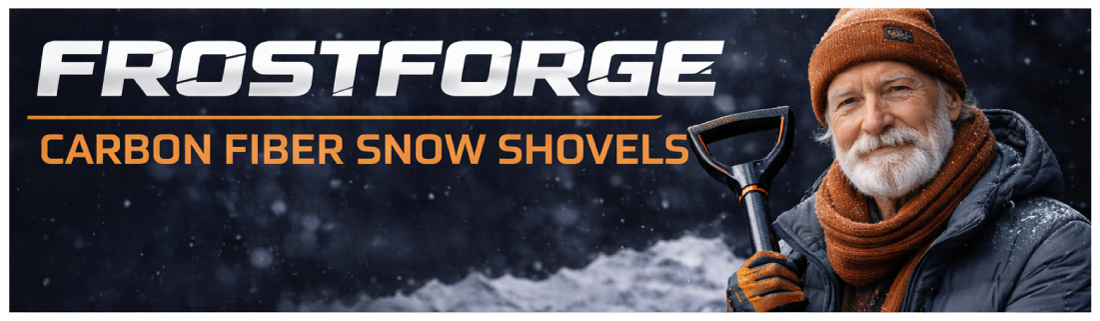
Let’s start with a name for our fictional shovel company: FrostForge.
It’s a carbon-fiber snow shovel, engineered for the toughest winters.
I’d start with a product story…
My grandfather, a farmer from Saskatchewan, had to battle the harshest winters. As his kids moved away from home, he was left with the chores around the farm. With an aging body, beaten down by years of hard manual labour, he needed a durable, lightweight shovel to clear the walk and chip away at the ice so his wife (my grandmother) wouldn’t slip. Living in rural isolation, poor weather conditions, worse roads, one small accident can become quite serious, especially during the winter. None of the shovels on the market held up. They would either be plastic, which would be lightweight and brittle. Or they would be made of metal, which would be durable, but heavy and cold. That’s when he decided to invent his own shovel that combined the strength of steel with the lightweight of plastic. Thus, FrostForge was born. He’s been in operation now for over 40 years.
Next, I would do:
• Brand assets (logo, colours, photography, etc.)
• Retail displays (Canadian Tire, Walmart, Home Depot)
• Social ads
• TV ads (yes, older people still watch TV)
• Sponsor hockey clubs in some way (either professional or amateur). Maybe the kids who scoop up the snow in between plays, the Zamboni, digital banner logos around the stadium…
• Product line expansions (gloves, salt, snow-blowers, etc.)
Suddenly, it’s no longer “a shovel”, it has a story, an association… it’s a tool built for people who battle winter.
Same product category, completely different perception. That’s the power of branding. Brand is what turns an ordinary product into a story people believe in.
Now, the obvious criticism here is that I’m helping myself to a juicy brand backstory that is completely made up and self-serving.
“What if your grandfather didn’t live in Saskatchewan, didn’t invent a shovel, hasn’t been in business for 40+ years… without that, you have no brand story, which the rest leans on pretty heavily.”
100% agree with that critique.
The point of this post was to show you that brand (although in this case fake) could influence a purchaser.
Now, if it were a real brand, yes, you would have to craft a story that is close to reality (some wiggle room may be acceptable). You definitely cannot say you’ve been around for 40+ years if you just started last year for instance.
But tell your story in a way that makes people care.
Most people buy emotionally and then justify logically.






As a brand marketer, can I get you to care about a shovel company?
A shovel is just a shovel… right? A tool that only needs to be functional. How could brand possibly influence a purchase decision for a JTBD tool?
Here’s how I would do it…
Let’s start with a name for our fictional shovel company: FrostForge.
It’s a carbon-fiber snow shovel, engineered for the toughest winters.
I’d start with a product story…
My grandfather, a farmer from Saskatchewan, had to battle the harshest winters. As his kids moved away from home, he was left with the chores around the farm. With an aging body, beaten down by years of hard manual labour, he needed a durable, lightweight shovel to clear the walk and chip away at the ice so his wife (my grandmother) wouldn’t slip. Living in rural isolation, poor weather conditions, worse roads, one small accident can become quite serious, especially during the winter. None of the shovels on the market held up. They would either be plastic, which would be lightweight and brittle. Or they would be made of metal, which would be durable, but heavy and cold. That’s when he decided to invent his own shovel that combined the strength of steel with the lightweight of plastic. Thus, FrostForge was born. He’s been in operation now for over 40 years.
Next, I would do:
• Brand assets (logo, colours, photography, etc.)
• Retail displays (Canadian Tire, Walmart, Home Depot)
• Social ads
• TV ads (yes, older people still watch TV)
• Sponsor hockey clubs in some way (either professional or amateur). Maybe the kids who scoop up the snow in between plays, the Zamboni, digital banner logos around the stadium…
• Product line expansions (gloves, salt, snow-blowers, etc.)
Suddenly, it’s no longer “a shovel”, it has a story, an association… it’s a tool built for people who battle winter.
Same product category, completely different perception. That’s the power of branding. Brand is what turns an ordinary product into a story people believe in.