There’s a graveyard filled with old brands that failed to adapt or innovate, they cut corners, didn’t age with their audience, didn’t replace their existing clients once they aged out, ignored the early warning signs…
Things change (markets, culture, attention, technology), so if your brand doesn’t move with the changing tides, you will slowly fade and be replaced.
Often this decline has a way of sneaking up on you, or you blame the economy or political climate, and then, seemingly from out of nowhere, you’re irrelevant.
Thinking Long Term
Marketing compounds over time in a way that “quick wins” never do, and its effectiveness is often invisible (cannot be measured).
Why would we post on social, that’s not where our clients are?
Why would we invest in SEO, when AI search is taking over?
Why would we invest in brand building if we can’t prove the ROI?
Why spend money on marketing when we get most of our business from referrals?
Does a brand really matter in B2B? Isn’t this all relationship-driven anyway?
Why should we update our website? It works fine.
Why bother with messaging? Doesn’t everyone already know what we do?
It’s not necessarily wrong to ask these questions, but I would encourage anyone who may be asking these questions to think about marketing through a different lens.
You don’t want to wait for demand because there may come a time when that dries up.
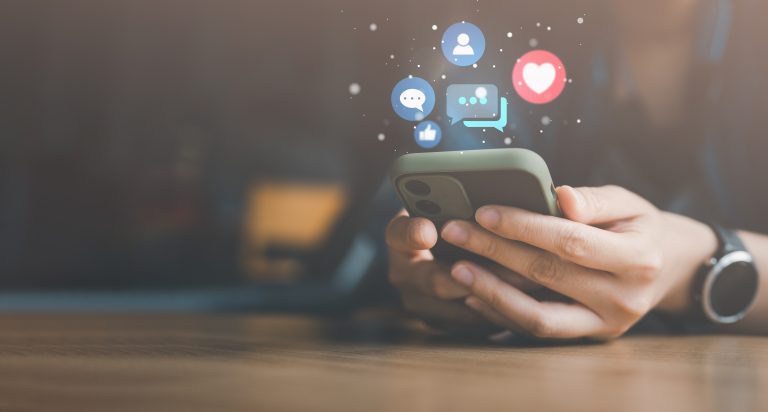
Social Media Is Where Your Brand Lives
If your social presence doesn’t look and feel like your brand, then for most people, your brand effectively doesn’t exist in the environments where they actually spend their time.
You can have a beautifully designed website and a perfectly crafted brand guidelines document, but if your Instagram grid, LinkedIn posts, TikToks, or X feed feel generic, inconsistent, or disconnected, the version of your brand that people experience most often is the watered-down one.
And that’s the version they remember.
Brand recognition isn’t built through a PDF of rules that sits in a shared drive. It’s built through repeated exposure to the same visual language, the same tone of voice, the same design decisions, over and over again, in public.
That repetition doesn’t happen on your website.
It happens on social.
Over time, people don’t remember individual posts. They remember how your brand feels. They recognize your layouts before they read your words. They identify your tone before they see your logo. They start to sense, almost subconsciously, that a piece of content “looks like you.”
That is brand at work.
And social media is where that work happens every day.